


.png)
Nearly 40% of U.S. small and midsize businesses have at least one unresolved derogatory public filing—yet many owners never learn this until a partner or supplier pulls a credit report. In 2025, when regulatory expectations, cross-border transactions, and fraud risks continue to rise, understanding a company’s credit profile is no longer a formality; it is a critical step in verifying financial stability and avoiding hidden liabilities.
This guide explains how to get a business credit report, the options available, and why investigator-verified intelligence from BusinessScreen.com provides stronger clarity than automated databases.
A business credit report is a structured assessment of a company’s financial behavior, including payment history, tradelines, credit utilization, liens, judgments, UCC filings, and bankruptcy records. It also includes identifiers such as EIN, incorporation details, and industry classifications.
Unlike personal credit, business credit is public and does not require consent. Because business data comes from courts, registries, lenders, and vendors, automated bureau files frequently contain outdated or incomplete information.
Organizations needing more accurate verification often order a Business Verification Report, which validates registration details, beneficial ownership, sanctions exposure, and compliance risks as part of broader company due diligence.

Credit data offers insight into a company’s financial reliability, operational risk, and potential for instability. Because automation often misses court filings, liens, or ownership changes, most organizations complement credit data with tools such as How to Check if a Business Is Legit, How to Run a Background Check on a Business, global sanctions background checks, and international due diligence.
Credit reports help lenders, suppliers, and investors identify hidden liabilities before entering contractual or financial agreements.
Businesses do not receive free annual credit reports like consumers. Corporate credit is not protected under the FCRA, meaning business credit files are public, accessible without permission, and cannot be used for employment decisions—only for underwriting, due diligence, and financial risk evaluation.
D&B, Experian, and Equifax provide automated credit snapshots, helpful for quick reviews of payment trends and credit scores. However, they do not verify underlying source records. Liens, judgments, and tax lien filings often appear late or incomplete, and small or private companies frequently have thin or inaccurate files. International credit reporting also varies widely by jurisdiction, and many countries do not maintain centralized business credit bureaus, which limits the reliability of automated global credit pulls.
For a broader comparison, see Dun & Bradstreet vs Business Background Check.
Investigator-verified reports from BusinessScreen.com confirm public filings, litigation records, sanctions status, and ownership structures at the source. These reports give teams reliable visibility into financial risk, especially when evaluating international entities, subsidiaries, or privately held companies where automated data is thin.
They integrate seamlessly with business partner due diligence, global due diligence, and company due diligence.
Connect with a business screening specialist (Google Business Profile).
Business credit files are public, meaning anyone can request them. Before ordering, verify the business’s official name, entity type, and registration jurisdiction.
Investigator-verified reporting from BusinessScreen.com can uncover subsidiaries, shell entities, or hidden beneficial owners that automated systems fail to reveal. For deeper clarity on ownership structures, reference how to verify beneficial ownership or launch a full corporate investigation.
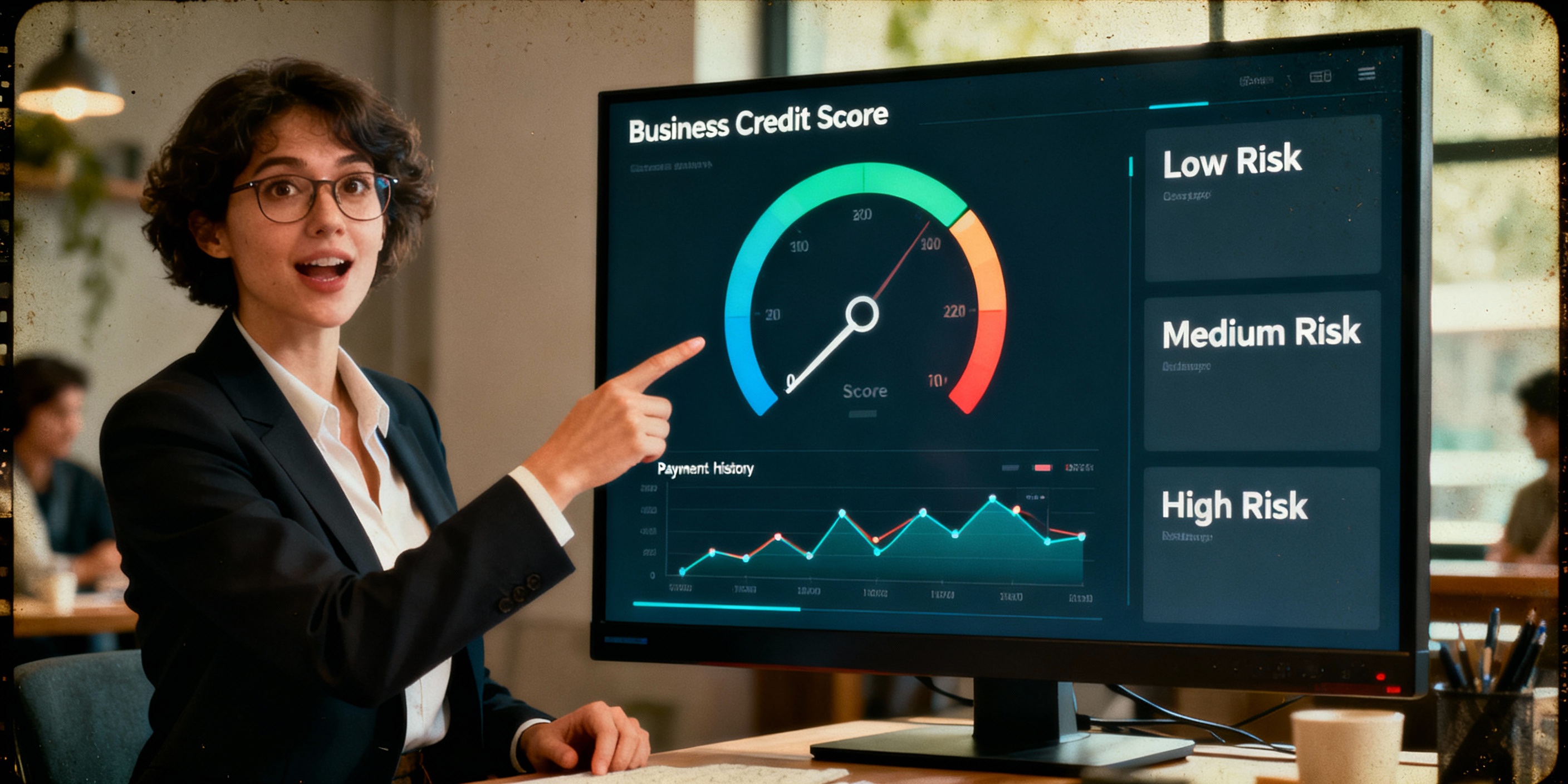
A supplier evaluating a new distributor may see an on-time payment record in an automated report. But a verified search could reveal a newly filed UCC lien showing the distributor pledged its receivables to another creditor. Relying only on automated data could lead the supplier to extend credit to a financially stressed company—creating avoidable exposure.
Businesses are not entitled to free annual credit reports. Some platforms offer limited summaries, but full reports with liens, judgments, or UCC filings require payment. These limited tools are best used as starting points.
To understand credit scoring structures, review the ultimate guide to business credit scores.
Find reliable sources for initial checks (Google Business Profile).
A complete business credit report typically contains payment histories, credit utilization, tradeline activity, public filings, UCC records, registration data, and industry demographics. Many teams cross-reference this with business reputation indicators to understand broader operational patterns. Different industries also rely on credit data for different purposes. Lenders use it for underwriting, suppliers review it before extending terms, private equity firms assess it during pre-investment due diligence, and compliance teams pair it with KYB and sanctions screening to validate regulatory posture.
To mitigate these risks, organizations add tools like executive background checks, vendor due diligence for supply chains, and adverse media screening.
Credit alone cannot provide a full risk profile. Complementary tools such as KYB vs KYC, customer due diligence, business license checks, global due diligence, and M&A due diligence provide regulatory, compliance, and operational context.
Teams assessing acquisitions also reference legal due diligence and broader background check vs due diligence frameworks.
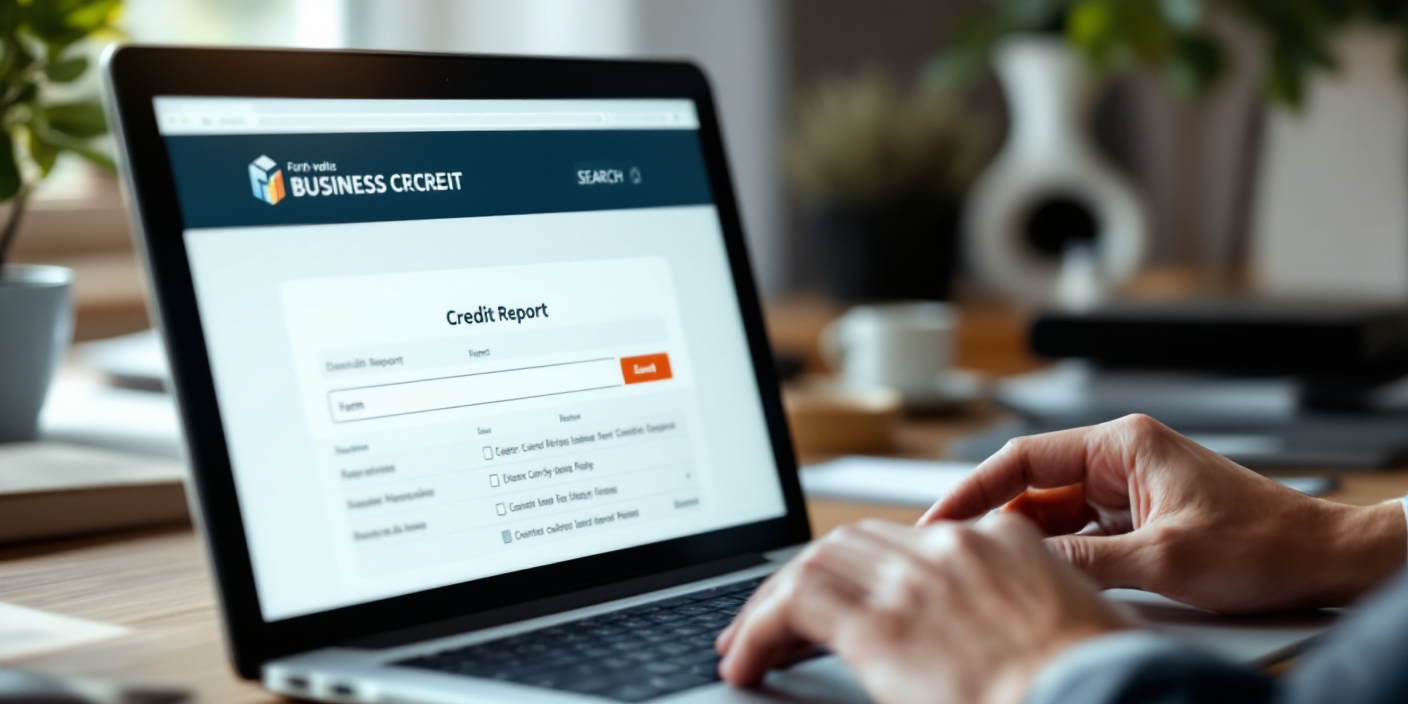
When clarity matters, BusinessScreen.com provides verified business credit reports that include litigation checks, ownership validation, sanctions monitoring, public record reviews, and reputational intelligence. These reports not only reveal current financial stability—they uncover early warning indicators that automated systems miss.
To order a report or discuss a complex file, contact us. You may also speak with a due diligence specialist (Google Business Profile) or learn more about our business credit reporting service.
1. What does a business credit report show?
A business credit report includes payment history, credit utilization, liens, judgments, UCC filings, and public records. Many companies pair these insights with a full Business Verification Report to confirm ownership, legal standing, and regulatory exposure.
2. How do I check another company’s credit?
You can request credit data from major bureaus or order an investigator-verified review through BusinessScreen.com. Because business credit is public, permission isn’t required. For higher accuracy, pair results with beneficial ownership verification.
3. Is it legal to run a business credit report?
Yes. Business credit reports are public and not protected under FCRA. They can be used for due diligence, underwriting, and vendor evaluation—but never for employment checks. Many organizations also review company due diligence alongside credit.
4. Do LLCs have business credit scores?
LLCs build credit once they separate business finances and use lenders or suppliers that report activity. Over time, payment behavior forms a distinct file. For broader insight, some teams also run an executive background check.
5. How long does it take to get a business credit report?
Automated bureau reports are instant, while investigator-verified reports from BusinessScreen.com take a few business days to confirm filings, ownership, litigation, and sanctions. This ensures accuracy when screening partners or conducting business partner due diligence.
6. What’s the difference between personal and business credit reports?
Personal credit requires consent and follows consumer rules. Business credit is public and tied to EIN or registration. Reports focus on payment behavior, liens, and public filings. Many companies combine both with KYB vs KYC requirements.
7. Why are investigator-verified credit reports more reliable?
Automated databases often miss recent liens, litigation, or ownership changes. Verified reports confirm source records, court filings, and sanctions checks. This is especially important for private or high-risk entities, or when performing global due diligence.
8. How often should a business check its credit?
Most organizations review their credit twice yearly to catch inaccuracies or new filings. High-risk or regulated sectors often check quarterly and supplement credit data with adverse media screening to detect early warning signs.







.png)
